
Used in mountain snowpacks, glacier environments and around remote infrastructure, SIMBA collects data between manual observations and transmits it remotely for access throughout the deployment.
SIMBA provides high-resolution temperature measurements for long-term studies of snowpacks, glaciers and accumulation zones. Researchers can configure sampling and active heating cycles for different monitoring objectives, access raw data for independent analysis, and combine SIMBA measurements with approved environmental sensors.
The temperature profiles and active heating response can be used to investigate heat transfer through snow and distinguish between air, snow, ice and water. SIMBA’s autonomous operation and remote data transmission also support observations at field sites that are difficult to revisit regularly.
Applications include:
SIMBA provides continuous, site-specific snowpack measurements between manual observations. Temperature profiles through the snowpack can complement field observations, weather-station data and forecasting models, providing an additional source of information for meteorological, avalanche-forecasting and civil-protection services, as well as ski resorts and mountain operators.
Applications may include:
SIMBA provides continuous snow-temperature profiles from selected catchments, transport corridors and operational sites. The measurements can complement weather, snow-depth, and hydrological observations used by road, rail, and snow-exposed infrastructure operators, as well as hydropower, energy, and remote-asset operators.
Applications may include:
SIMBA gives consultancies a configurable way to add continuous vertical snow-temperature profiles to avalanche, geohazard and mountain-infrastructure monitoring programmes. The system can be adapted to different snow depths, sampling requirements and deployment periods, then used across multiple client projects.
SIMBA measurements can complement manual snow-pit observations, weather stations, approved snow-depth sensors, models and remote-sensing data. Raw data is available for independent analysis and client reporting, with technical support for system configuration, pre-deployment testing and deployment planning.
Applications may include:
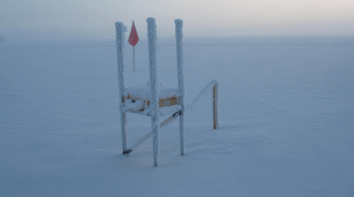
The ICECAPS-ACE project is an international scientific research programme based at Summit Station, Greenland. As part of this work, two Snow Ice Mass Balance Apparatus (SIMBA) units were deployed to provide high-resolution temperature measurements across the snow-air transition zone. The measurements collected by the SIMBA units form part of the wider observational programme and are published by the Centre for Environmental Data Analysis (CEDA).
When storm-force winds prevented observations at higher elevations in the Northern Cairngorms, forecasters used remotely transmitted SIMBA data to examine changes in snow temperature, depth and structure. The data provided additional evidence until conditions allowed field observations to resume.
